Technical Bulletins
Explore our latest technical insights and updates. While some bulletins are freely available for everyone to download, most are exclusive to our valued customers and require a secure password to access.
Explore our latest technical insights and updates. While some bulletins are freely available for everyone to download, most are exclusive to our valued customers and require a secure password to access.
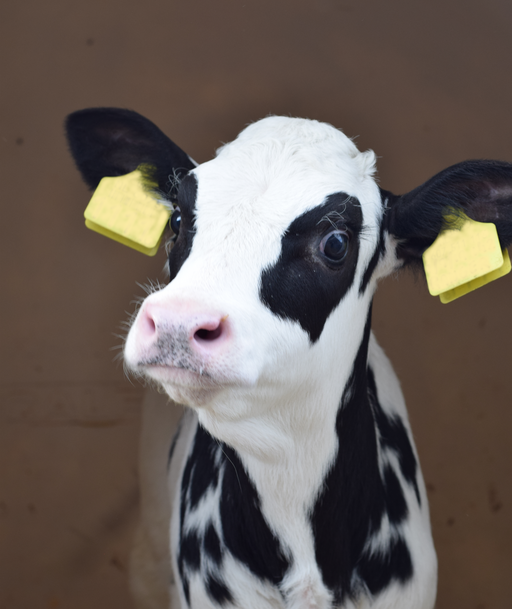
Healthy calves need a healthy environment. Good nutrition is an essential part of giving calves the best possible start, but hygiene, climate, and effective fly control are just as important. That’s why preventing flies in and around calf housing deserves attention as part of good calf management.
Healthy calves need a healthy environment. Good nutrition is an essential part of giving calves the best possible start, but hygiene, climate, and effective fly control are just as important. That’s why preventing flies in and around calf housing deserves attention as part of good calf management.
The genetic potential of today’s Holstein heifer calves is enormous. They have the ability to grow efficiently, produce large amounts of milk, and remain productive for many years. But genetic potential alone does not guarantee performance. The real question is: how do we ensure this potential is fully realized?
Frustration is a common feeling among farmers when calves refuse to drink their milk. This issue can affect newborn calves with a missing suckling reflex, sick calves a few weeks old, or older calves that refuse to drink milk.
Climate change is a major issue worldwide. The emission of greenhouse gases, resulting in global warming has caused that measures are taken to reduce it. One of these measures is the 2015 Paris Climate Agreement. This agreement set goals to reduce greenhouse gas emissions in several critical industries, including agriculture. The three main greenhouse gases that contribute to climate change are carbon dioxide (CO2), methane (CH4) and nitrous oxide (N2O).
Improvement, optimization , health, production, cost price. These are keywords for every agricultural entrepreneur. The right ingredients in animal nutrition play a major role in achieving different goals. Fats are one of the most versatile and important ingredients in animal nutrition.
It is well known that in animal nutrition energy is a very important aspect. From the three main nutrients (protein, fat and carbohydrates), fat contains the highest energy value, almost twice as much as carbohydrates. For ruminants it is very difficult (due to the rumen) to ‘digest’ crude fat in the diet. When crude fat values are too high in the diet for ruminants, the microbes in the rumen get disrupted and overall feed intake and production will decrease.
Can we prepare the young calf’s digestion tract for optimal vegetable digestion? Yes, we can stimulate enzyme adaptation in the digestive system of the calf by offering vegetable material at a young age. In this bulletin we zoom in on the digestion of protein and the stimulation of enzymes that split vegetable protein.
Clean, fresh and high-quality drinking water is essential for calves in the rearing period. Water is the basis for health and growth. There are major differences worldwide in the availability, quality and knowledge about water for young calves. This bulletin describes the ideal starting points regarding water.
This bulletin was written in response to a question about speci c symptoms. In this case, young calves showed symptoms like brittle bones, weakness in the legs, difficulty standing up, stiffness, bent limbs, and even fractures. We immediately suspected this to be a case of a metabolic disorder called ‘’rickets’’. This condition occurs sporadic on farms. The problems can affect individual calves as well as whole groups of calves.
The ALFFcup system is a feeding concept designed to provide additional milk to piglets alongside the sow’s milk. The number of cups installed in the farrowing crates does not have to match the number of farrowing crates. The system is also based on keeping all piglets in the same week group (and within the same farrowing department).
One of the advantages of our Pigipro ALFF compared to other feeding systems is the short payback period. Schils often receives the question after how long the Pigipro ALFF will be payed back. Of course each, farm is di erent, but in this bulletin we use a fairly common situation and show which result the use of a Pigipro ALFF would have.
Palm oil is the most commonly used raw material in the production of rumen protected fats. In recent years there has been an increasing demand for rumen protected fats that have been produced without palm oil for a number of reasons. Several raw materials are available in Europe as an alternative to palm oil.
